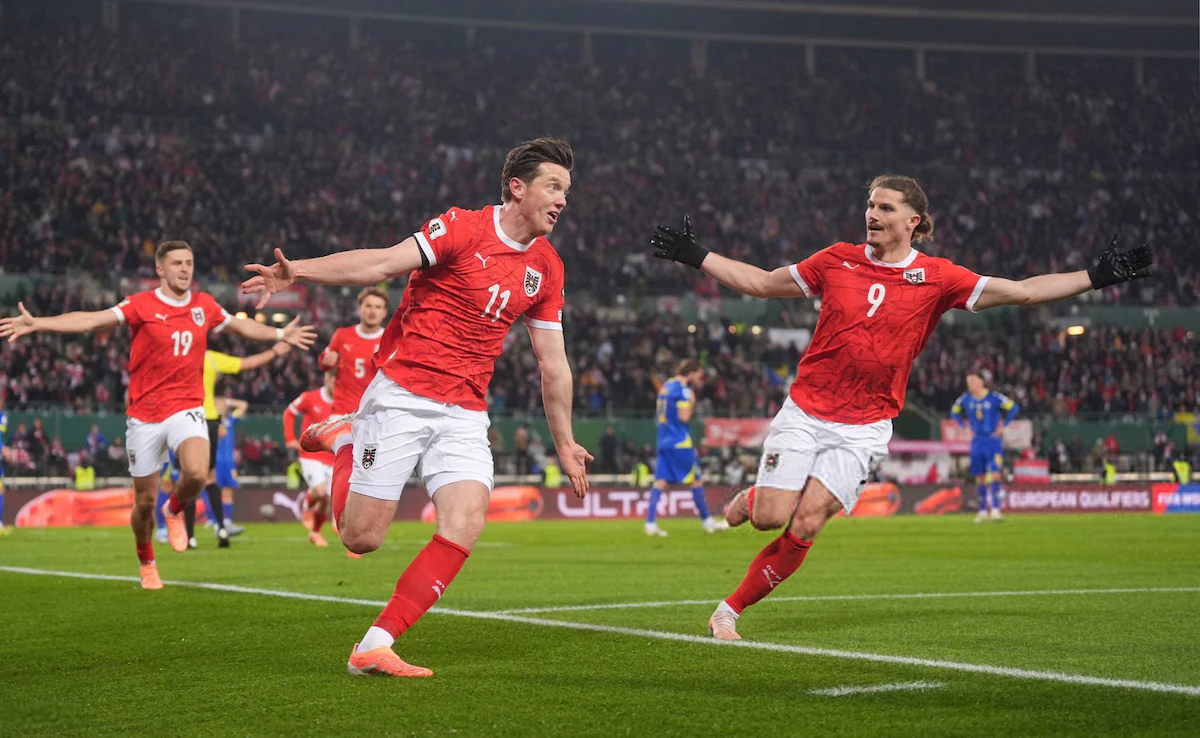
Austria to FIFA World Cup 26™
Austria to FIFA World Cup 26™ for the first time since 1998. Qualification was clinched on November 18, 2025, with a 1–1 draw against Bosnia and Herzegovina in Vienna, Michael Gregoritsch equalized in the 77th minute to secure top spot in UEFA Group H. A first‑half Austrian goal was chalked off by VAR, but composure and structure carried the day.
How they got here: cohesion across the squad, a clear, modern game model under Ralf Rangnick, organized pressing, and maturity in key moments. The identity held through every window and delivered the ticket back to the world stage.
What’s next: the Final Draw took place at the John F. Kennedy Center in Washington. Austria was drawn into Group J alongside Argentina, Algeria, and Jordan, an exciting pathway toward summer 2026.
Austria’s Charm: From Vienna to the Alpine Peaks
Home to about 9 million people across 83,879 km², Austria lies in the heart of Central Europe, bordered by eight countries and shaped heavily by the Alps, which cover most of its territory. Vienna, the capital in the east, blends imperial history, coffeehouse traditions, and a strong musical heritage, while Salzburg adds baroque elegance and mountain charm. Both cities feature UNESCO-listed historic centers.
Beyond its iconic cities, Austria is a patchwork of distinct regions, — from Tyrol’s alpine culture to Styria’s vineyards and Carinthia’s lakes, — each contributing its own traditions, dialects, and flavors. This mix of geography, history, and regional identity forms the backdrop for the country’s football culture as Austria heads to the 2026 FIFA World Cup.
How did Austria clinch qualification?
The decisive night came in Vienna. Trailing to Haris Tabaković’s early header, Austria stayed patient, saw a first‑half effort ruled out after VAR review, then found the equalizer when Gregoritsch struck late to make it 1–1 and lock the group lead. That point confirmed Austria’s return to the finals.
Austria on FIFA Collect
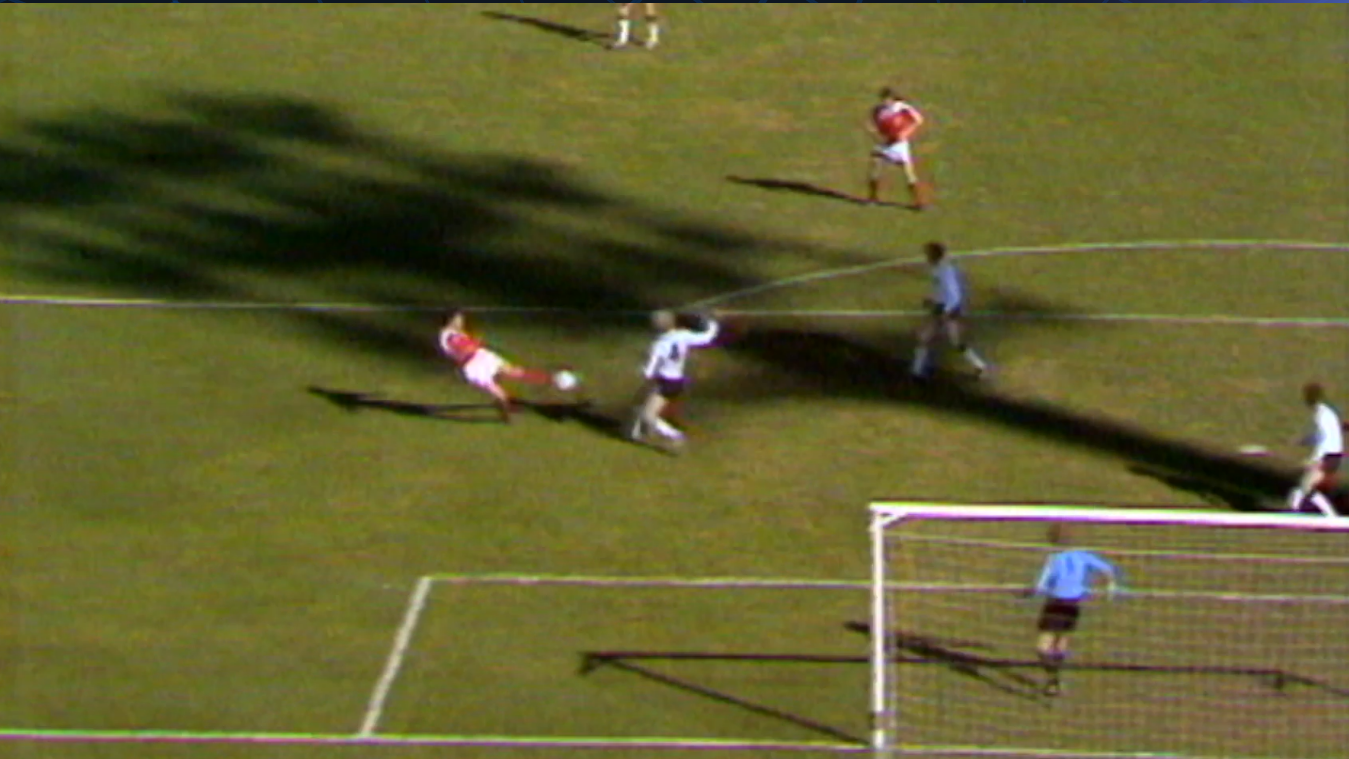
Austria’s National Team on FIFA Collect will celebrate a long‑awaited return with new officially licensed assets. On the platform you can now find Krankl’s historic brace that stunned West Germany in 1978.
The collectibles representing these two goals aren’t just highlights, they’re pieces of Austrian football history. Officially licensed and crafted to honor an unforgettable triumph, they give fans the chance to collect the moment a legend changed the course of a match. Explore them now on FIFA Collect and add an authentic fragment of the “Miracle of Córdoba” to your collection:
1978 FIFA World Cup Argentina™ AUT 3 – 2 FRG, Goal: Krankl 66′ First goal
1978 FIFA World Cup Argentina™ AUT 3-2 FRG GAME WINNING GOAL: Krankl 88′ Second goal
When did Austria first appear at the FIFA World Cup™?
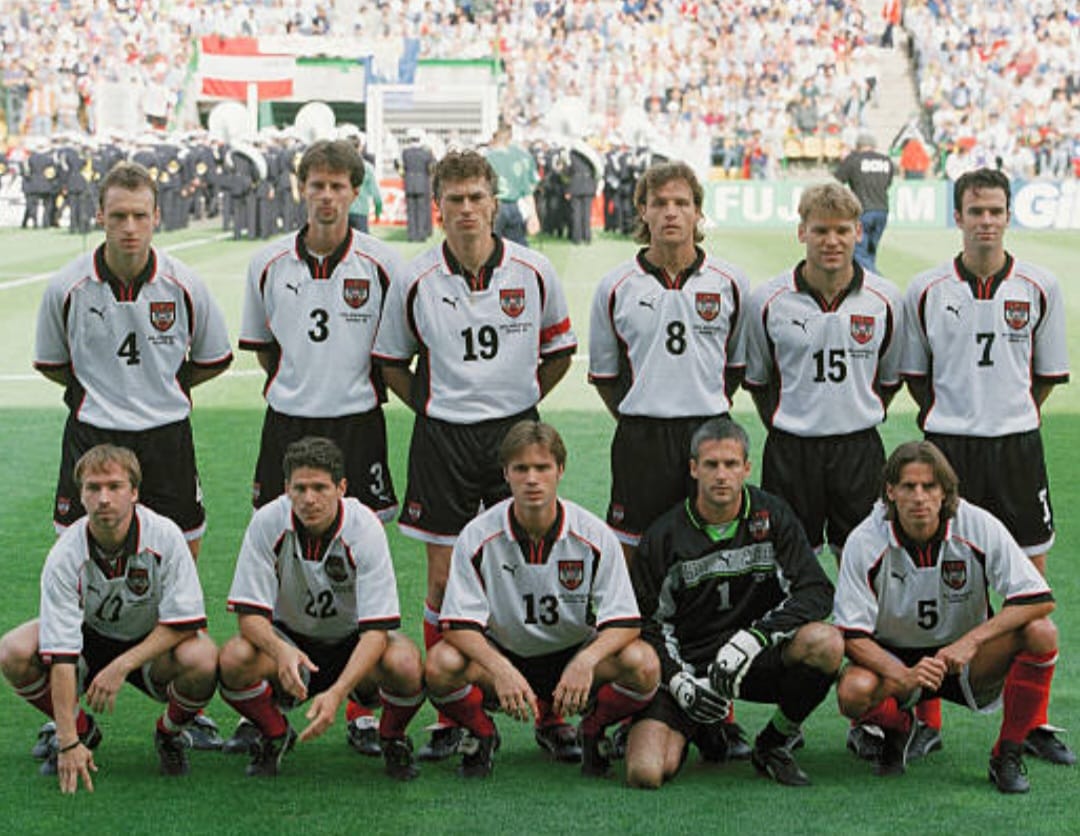
Austria debuted in 1934 and achieved a best‑ever third place in 1954. The 2026 tournament marks a return after 28 years and the nation’s eighth finals appearance, a new stage for a storied football culture.
The history of football in Austria
Austrian football took root in the early 20th century, from the famed “Wunderteam” era to the strong club traditions of Rapid and Austria Wien. In recent years, a modernized national setup has linked elite academies at home and abroad, balancing tactical discipline with creativity. With the Ernst‑Happel‑Stadion as a symbolic home and steady progress through Nations League, EUROs, and World Cup qualifying, Austria has evolved from historic romanticism into a contemporary, competitive project inspiring a new generation.
Who are Austria’s key record‑holders?
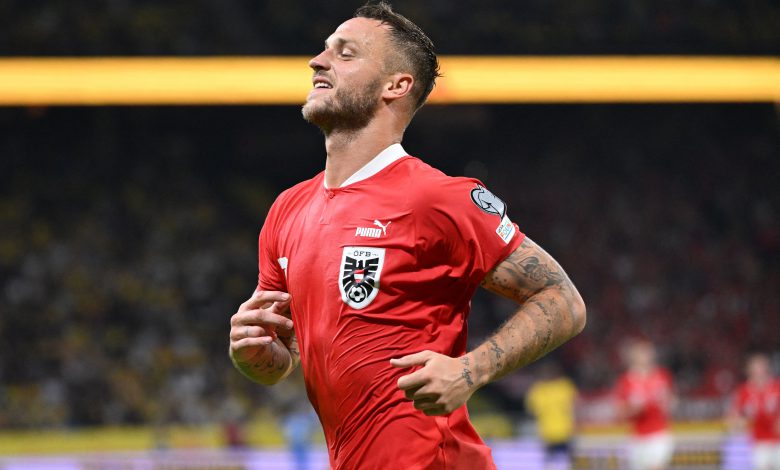
Marko Arnautović has grown from mercurial winger to Austria’s evergreen reference point. Now the country’s most‑capped player and outright top scorer, he passed Andreas Herzog for appearances and, on October 9, 2025, surged past Toni Polster’s goal record by scoring four in a 10-0 qualifying win over San Marino. The milestones tell only part of the story: Arnautović’s leadership shows in how he links play, absorbs pressure with his back to goal, and sets pressing cues.
Get more info about the Austrian Football Association.
Group and opponents: quick scouting notes
- Argentina: Reigning world champions, tournament know‑how across the spine, and threats from quick combinations and set plays. Managing rest‑defense after turnovers will be essential for Austria.
- Algeria: Technical and transition‑minded with a deep Europe‑based pool; wingers and ball‑carrying mids can flip matches fast. Force them wide and slow the early outlet to control tempo.
- Jordan: Asia’s rising story, disciplined in a compact block and dangerous on quick breaks; set‑piece delivery and second‑ball aggression can tilt games; Asian Cup runners‑up in 2023 tournament played Feb 2024.
What happens next for Das Nationalteam?
With the draw complete on December 5, 2025, attention turns to pre‑tournament preparations and warm‑up fixtures ahead of summer 2026 across Canada, Mexico, and the United States. Fans will be able to find in‑depth features on the World Cup 26 teams here on the FIFA Collect blog.
Hoppauf, Österreich!
Austria to FIFA World Cup 26™
Austria to FIFA World Cup 26™ for the first time since 1998. Qualification was clinched on November 18, 2025, with a 1–1 draw against Bosnia and Herzegovina in Vienna, Michael Gregoritsch equalized in the 77th minute to secure top spot in UEFA Group H. A first‑half Austrian goal was chalked off by VAR, but composure and structure carried the day.
How they got here: cohesion across the squad, a clear, modern game model under Ralf Rangnick, organized pressing, and maturity in key moments. The identity held through every window and delivered the ticket back to the world stage.
What’s next: the Final Draw took place at the John F. Kennedy Center in Washington. Austria was drawn into Group J alongside Argentina, Algeria, and Jordan, an exciting pathway toward summer 2026.
Austria’s Charm: From Vienna to the Alpine Peaks
Home to about 9 million people across 83,879 km², Austria lies in the heart of Central Europe, bordered by eight countries and shaped heavily by the Alps, which cover most of its territory. Vienna, the capital in the east, blends imperial history, coffeehouse traditions, and a strong musical heritage, while Salzburg adds baroque elegance and mountain charm. Both cities feature UNESCO-listed historic centers.
Beyond its iconic cities, Austria is a patchwork of distinct regions, — from Tyrol’s alpine culture to Styria’s vineyards and Carinthia’s lakes, — each contributing its own traditions, dialects, and flavors. This mix of geography, history, and regional identity forms the backdrop for the country’s football culture as Austria heads to the 2026 FIFA World Cup.
How did Austria clinch qualification?
The decisive night came in Vienna. Trailing to Haris Tabaković’s early header, Austria stayed patient, saw a first‑half effort ruled out after VAR review, then found the equalizer when Gregoritsch struck late to make it 1–1 and lock the group lead. That point confirmed Austria’s return to the finals.
Austria on FIFA Collect
Austria’s National Team on FIFA Collect will celebrate a long‑awaited return with new officially licensed assets. On the platform you can now find Krankl’s historic brace that stunned West Germany in 1978.
The collectibles representing these two goals aren’t just highlights, they’re pieces of Austrian football history. Officially licensed and crafted to honor an unforgettable triumph, they give fans the chance to collect the moment a legend changed the course of a match. Explore them now on FIFA Collect and add an authentic fragment of the “Miracle of Córdoba” to your collection:
1978 FIFA World Cup Argentina™ AUT 3 – 2 FRG, Goal: Krankl 66′ First goal
1978 FIFA World Cup Argentina™ AUT 3-2 FRG GAME WINNING GOAL: Krankl 88′ Second goal
When did Austria first appear at the FIFA World Cup™?
Austria debuted in 1934 and achieved a best‑ever third place in 1954. The 2026 tournament marks a return after 28 years and the nation’s eighth finals appearance, a new stage for a storied football culture.
The history of football in Austria
Austrian football took root in the early 20th century, from the famed “Wunderteam” era to the strong club traditions of Rapid and Austria Wien. In recent years, a modernized national setup has linked elite academies at home and abroad, balancing tactical discipline with creativity. With the Ernst‑Happel‑Stadion as a symbolic home and steady progress through Nations League, EUROs, and World Cup qualifying, Austria has evolved from historic romanticism into a contemporary, competitive project inspiring a new generation.
Who are Austria’s key record‑holders?
Marko Arnautović has grown from mercurial winger to Austria’s evergreen reference point. Now the country’s most‑capped player and outright top scorer, he passed Andreas Herzog for appearances and, on October 9, 2025, surged past Toni Polster’s goal record by scoring four in a 10-0 qualifying win over San Marino. The milestones tell only part of the story: Arnautović’s leadership shows in how he links play, absorbs pressure with his back to goal, and sets pressing cues.
Get more info about the Austrian Football Association.
Group and opponents: quick scouting notes
- Argentina: Reigning world champions, tournament know‑how across the spine, and threats from quick combinations and set plays. Managing rest‑defense after turnovers will be essential for Austria.
- Algeria: Technical and transition‑minded with a deep Europe‑based pool; wingers and ball‑carrying mids can flip matches fast. Force them wide and slow the early outlet to control tempo.
- Jordan: Asia’s rising story, disciplined in a compact block and dangerous on quick breaks; set‑piece delivery and second‑ball aggression can tilt games; Asian Cup runners‑up in 2023 tournament played Feb 2024.
What happens next for Das Nationalteam?
With the draw complete on December 5, 2025, attention turns to pre‑tournament preparations and warm‑up fixtures ahead of summer 2026 across Canada, Mexico, and the United States. Fans will be able to find in‑depth features on the World Cup 26 teams here on the FIFA Collect blog.
Hoppauf, Österreich!