Cape Verde: From Island Dreams to the FIFA World Cup 26™
Few could have imagined that a small island nation in the Atlantic would one day stand among the giants of world football. Yet Cape Verde — a country of just over half a million people — has done exactly that. With grit, unity, and talent spread across continents, the Blue Sharks have made history by qualifying for the FIFA World Cup 26™ for the very first time.
How Did Cape Verde Qualify for the FIFA World Cup 26™?
Cape Verde’s road to the World Cup was built on discipline, heart, and belief. Throughout the African qualifiers, the Blue Sharks impressed with solid defensive organization, creative midfield play, and a remarkable ability to rise in crucial moments.
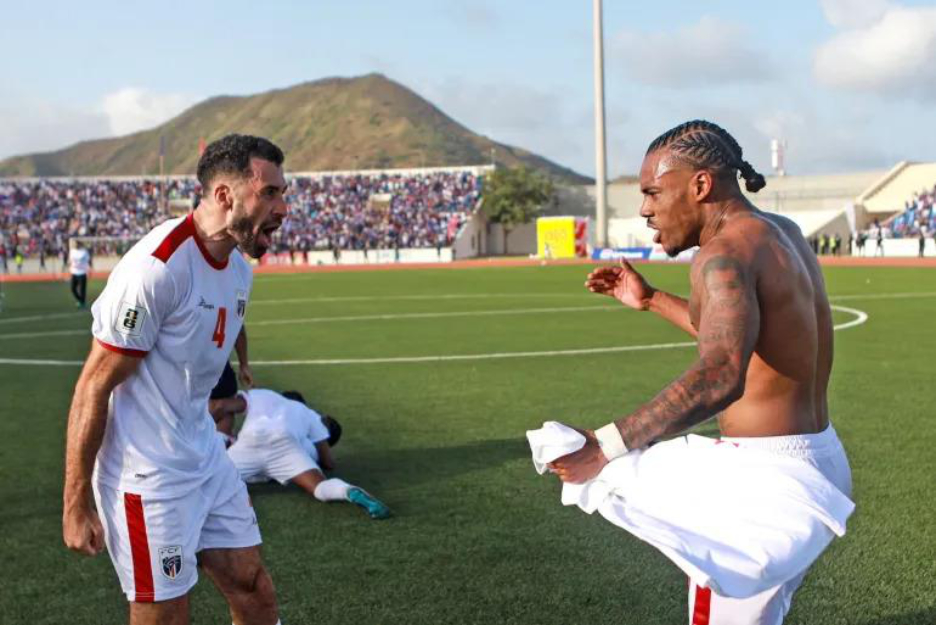
Drawn into a demanding group alongside Cameroon, Angola, Libya, Eswatini, and Mauritius, few expected the islanders to prevail. But under the guidance of coach Pedro “Bubista” Brito, they outperformed all expectations — sealing qualification with a decisive 3–0 victory over Eswatini, which sent fans flooding the streets in celebration.
Key players made the difference. Ryan Mendes, the experienced captain, led by example with leadership and attacking flair. Garry Rodrigues added pace and creativity, while goalkeeper Vozinha delivered decisive saves when it mattered most. Together, they powered Cape Verde to its first-ever World Cup ticket — a collective triumph that united an entire nation.
“We may be a small country, but our dreams are as big as anyone’s,” said coach Bubista after the historic qualification.
Where Does Cape Verde’s Football Story Begin?
Cape Verde — officially the Republic of Cabo Verde — is a small island nation located about 570 kilometers (350 miles) off the west coast of Senegal in the central Atlantic Ocean. The country consists of ten volcanic islands and five islets, with a population of around 560,000 inhabitants.
The capital, Praia, lies on the island of Santiago, and the official language is Portuguese, though most locals speak Cape Verdean Creole (Kriolu). The economy relies heavily on tourism, remittances from the diaspora, and fisheries, but football has become a growing source of national pride and unity.
The national team, known as the Blue Sharks (Tubarões Azuis), played its first international match in 1978. For decades, progress was gradual — but in 2013, Cape Verde announced itself to the continent by reaching the quarter-finals of the Africa Cup of Nations (AFCON) in its debut appearance. The team repeated that success in 2023, confirming it as one of Africa’s most respected underdogs.
A key ingredient in this evolution has been the Cape Verdean diaspora. Many national team players were born or raised abroad — particularly in Portugal, the Netherlands, and France — yet maintain deep ties to their roots. This unique mix of local passion and international experience has created a team that embodies what Cape Verde stands for: unity across distance.
Learn more about Cape Verde’s football history on FIFA.com
What Makes Cape Verde Unique Beyond Football?
Cape Verde’s charm extends far beyond the pitch. For fans discovering the islands for the first time, here are some fascinating facts about the country and its culture:
🌋 A land shaped by volcanoes — The island of Fogo is home to Pico do Fogo, an active volcano rising 2,829 meters above sea level, offering one of the most dramatic landscapes in the Atlantic.
🎶 The rhythm of morna — Cape Verde is the birthplace of morna, a soulful music genre that tells stories of love, longing, and migration. Legendary singer Cesária Évora, known as the “Barefoot Diva,” carried Cape Verde’s voice across the world.
🌊 A bridge between continents — Strategically located between Africa, Europe, and the Americas, Cape Verde has long been a crossroads of cultures — a diversity reflected in its language, cuisine, and footballing identity.
⚽ A community powered by its diaspora — Nearly twice as many Cape Verdeans live abroad as on the islands themselves, creating one of the world’s most passionate and widespread supporter bases.
These elements combine to form Cape Verde’s identity — an island nation proud of its roots and unafraid to dream big.
What Does This Qualification Mean for the Nation?
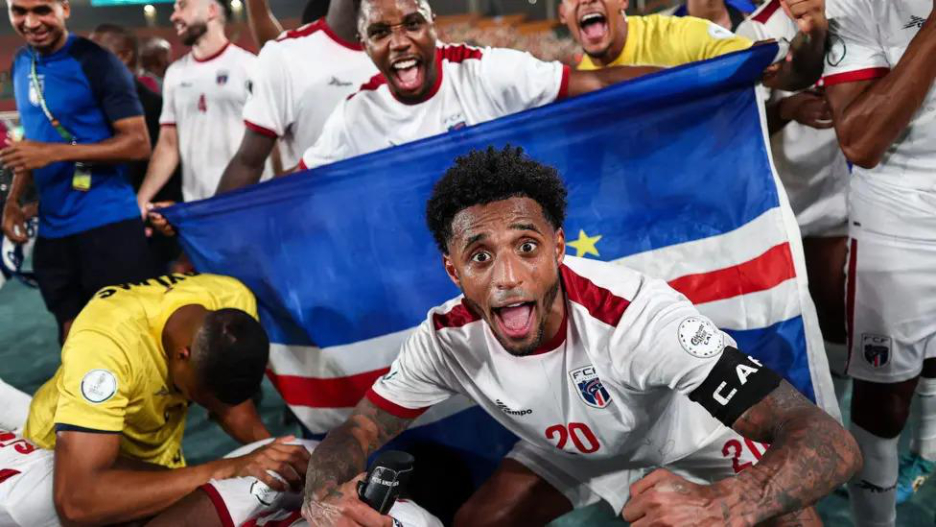
For Cape Verdeans at home and abroad, this achievement is far more than a sporting milestone — it’s a symbol of national pride. From the streets of Praia to Cape Verdean communities in Lisbon and Boston, celebrations erupted as fans waved flags, sang, and embraced one another.
The qualification reflects decades of effort: investment in youth football, improved facilities, and the growing professionalism of the local league. Above all, it shows that even a small nation can achieve global recognition when talent meets determination.
What Awaits Cape Verde at the FIFA World Cup 26™?
As Cape Verde prepares for its debut on the world’s biggest stage, excitement and curiosity are at an all-time high. The official World Cup draw will take place on 5 December 2025 at the John F. Kennedy Center for the Performing Arts in Washington, D.C., where Cape Verde will discover its group opponents.
The FIFA World Cup 26™ will be the first to feature 48 teams, hosted across 16 cities in the United States, Canada, and Mexico. It will kick off on 11 June 2026 and conclude on 19 July 2026 — a new format and a new era for world football.
For the Blue Sharks, every match will be an opportunity to show the world their style: fast, creative, and fearless. Whether facing established powerhouses or fellow debutants, Cape Verde will play with the same unity that carried them this far.
Beyond the results, their presence at the World Cup is a chance to showcase Cape Verde’s culture, values, and pride — inspiring future generations of players who dream of following in their footsteps.
Cape Verde: From Island Dreams to the FIFA World Cup 26™
Few could have imagined that a small island nation in the Atlantic would one day stand among the giants of world football. Yet Cape Verde — a country of just over half a million people — has done exactly that. With grit, unity, and talent spread across continents, the Blue Sharks have made history by qualifying for the FIFA World Cup 26™ for the very first time.
How Did Cape Verde Qualify for the FIFA World Cup 26™?
Cape Verde’s road to the World Cup was built on discipline, heart, and belief. Throughout the African qualifiers, the Blue Sharks impressed with solid defensive organization, creative midfield play, and a remarkable ability to rise in crucial moments.
Drawn into a demanding group alongside Cameroon, Angola, Libya, Eswatini, and Mauritius, few expected the islanders to prevail. But under the guidance of coach Pedro “Bubista” Brito, they outperformed all expectations — sealing qualification with a decisive 3–0 victory over Eswatini, which sent fans flooding the streets in celebration.
Key players made the difference. Ryan Mendes, the experienced captain, led by example with leadership and attacking flair. Garry Rodrigues added pace and creativity, while goalkeeper Vozinha delivered decisive saves when it mattered most. Together, they powered Cape Verde to its first-ever World Cup ticket — a collective triumph that united an entire nation.
“We may be a small country, but our dreams are as big as anyone’s,” said coach Bubista after the historic qualification.
Where Does Cape Verde’s Football Story Begin?
Cape Verde — officially the Republic of Cabo Verde — is a small island nation located about 570 kilometers (350 miles) off the west coast of Senegal in the central Atlantic Ocean. The country consists of ten volcanic islands and five islets, with a population of around 560,000 inhabitants.
The capital, Praia, lies on the island of Santiago, and the official language is Portuguese, though most locals speak Cape Verdean Creole (Kriolu). The economy relies heavily on tourism, remittances from the diaspora, and fisheries, but football has become a growing source of national pride and unity.
The national team, known as the Blue Sharks (Tubarões Azuis), played its first international match in 1978. For decades, progress was gradual — but in 2013, Cape Verde announced itself to the continent by reaching the quarter-finals of the Africa Cup of Nations (AFCON) in its debut appearance. The team repeated that success in 2023, confirming it as one of Africa’s most respected underdogs.
A key ingredient in this evolution has been the Cape Verdean diaspora. Many national team players were born or raised abroad — particularly in Portugal, the Netherlands, and France — yet maintain deep ties to their roots. This unique mix of local passion and international experience has created a team that embodies what Cape Verde stands for: unity across distance.
Learn more about Cape Verde’s football history on FIFA.com
What Makes Cape Verde Unique Beyond Football?
Cape Verde’s charm extends far beyond the pitch. For fans discovering the islands for the first time, here are some fascinating facts about the country and its culture:
🌋 A land shaped by volcanoes — The island of Fogo is home to Pico do Fogo, an active volcano rising 2,829 meters above sea level, offering one of the most dramatic landscapes in the Atlantic.
🎶 The rhythm of morna — Cape Verde is the birthplace of morna, a soulful music genre that tells stories of love, longing, and migration. Legendary singer Cesária Évora, known as the “Barefoot Diva,” carried Cape Verde’s voice across the world.
🌊 A bridge between continents — Strategically located between Africa, Europe, and the Americas, Cape Verde has long been a crossroads of cultures — a diversity reflected in its language, cuisine, and footballing identity.
⚽ A community powered by its diaspora — Nearly twice as many Cape Verdeans live abroad as on the islands themselves, creating one of the world’s most passionate and widespread supporter bases.
These elements combine to form Cape Verde’s identity — an island nation proud of its roots and unafraid to dream big.
What Does This Qualification Mean for the Nation?
For Cape Verdeans at home and abroad, this achievement is far more than a sporting milestone — it’s a symbol of national pride. From the streets of Praia to Cape Verdean communities in Lisbon and Boston, celebrations erupted as fans waved flags, sang, and embraced one another.
The qualification reflects decades of effort: investment in youth football, improved facilities, and the growing professionalism of the local league. Above all, it shows that even a small nation can achieve global recognition when talent meets determination.
What Awaits Cape Verde at the FIFA World Cup 26™?
As Cape Verde prepares for its debut on the world’s biggest stage, excitement and curiosity are at an all-time high. The official World Cup draw will take place on 5 December 2025 at the John F. Kennedy Center for the Performing Arts in Washington, D.C., where Cape Verde will discover its group opponents.
The FIFA World Cup 26™ will be the first to feature 48 teams, hosted across 16 cities in the United States, Canada, and Mexico. It will kick off on 11 June 2026 and conclude on 19 July 2026 — a new format and a new era for world football.
For the Blue Sharks, every match will be an opportunity to show the world their style: fast, creative, and fearless. Whether facing established powerhouses or fellow debutants, Cape Verde will play with the same unity that carried them this far.
Beyond the results, their presence at the World Cup is a chance to showcase Cape Verde’s culture, values, and pride — inspiring future generations of players who dream of following in their footsteps.